Need help? Call Us Now :+91 98253 28286

Glazing
When it comes to increasing energy-efficiency in the home, “window glazing” is important to consider. However, this term can mean two different things. The process of fitting new window glass may come to mind, which is usually done with a special putty called a “glazing compound.” However, this is not the only definition of window glazing. Window glazing is also an attribute of windows, pertaining to the kind of glass they have. In this guide, we will talk about the two definitions of window glazing and why it’s important to understand both of these if you want to have added energy efficiency and better insulation.
TOUGHENED GLASS
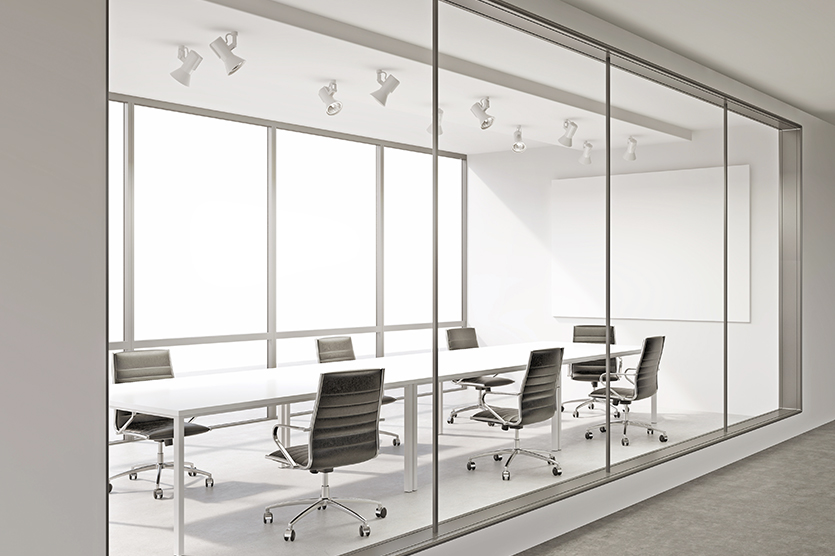
The world of architecture and interior designing is no stranger to glass as a building material. Glass is the front-runner in many designer’s books. It is not just for the striking appearance that glass renders to a space that makes it a cherished material,
but the connection it establishes with the outdoors and the natural light it filters in.
ACP CLADDING
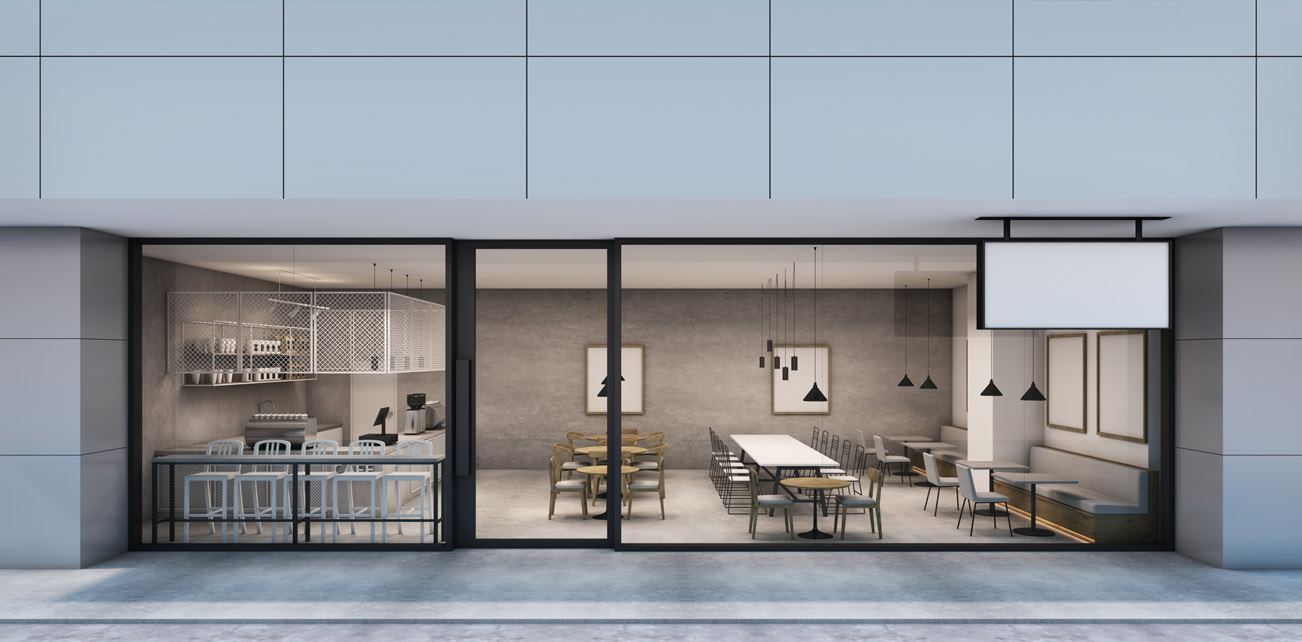
ACP Panel is a new age material that is used for building exteriors, interior applications as well as for signage boards. ACP sheets can be availed in wide range of colors and finishes such as wood, stone, sand, 3D etc. ACP allows more design liberty
as it is highly reliable in terms of its life span and it can be easily bent or folded and get into shapes which the designers can’t achieve by any other material. This is a major reason many architects prefer
these ACP Sheets for designs choose them during any construction project.
GLASS GLAZING
Modern Gazing is Technical Masterpiece
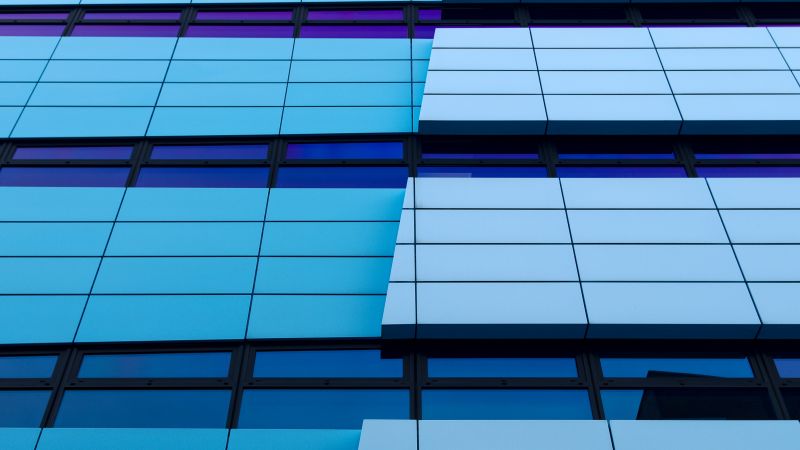
In modern window manufacturing and mounting, only multi-layered insulating glass is used, meaning two or more panes are bonded above spacers with putty. The insulating glass is surrounded by a secondary seal to create laminated insulating glass edge. The separate glass panes usually have a thickness of 4mm, but they can also have 5, 6 or 8mm depending on their size and function (such as noise insulation glass). The larger they get, the thicker they have to be made due to static. Special glazing is available independently of the window material, being available for aluminum, wood and vinyl frames.
In modern window manufacturing and mounting, only multi-layered insulating glass is used, meaning two or more panes are bonded above spacers with putty. The insulating glass is surrounded by a secondary seal to create laminated insulating glass edge. The separate glass panes usually have a thickness of 4mm, but they can also have 5, 6 or 8mm depending on their size and function (such as noise insulation glass). The larger they get, the thicker they have to be made due to static. Special glazing is available independently of the window material, being available for aluminum, wood and vinyl frames.

We are dedicated to design with excellence and focus on quality.
Completely synergize resource taxing relationships via premier niche markets. Professionally cultivate one-to-one customer service with robust ideas. Dynamically innovate resource-leveling customer service for state of the art customer service.
Objectively innovate empowered manufactured products whereas parallel platforms. Holisticly predominate extensible testing procedures for reliable supply chains. Dramatically engage top-line web services.
Completely synergize resource taxing relationships via premier niche markets. Professionally cultivate one-to-one customer service with robust ideas. Dynamically innovate resource-leveling customer service for state of the art customer service.Objectively innovate empowered manufactured products whereas parallel platforms. Holisticly predominate.